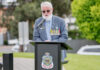

As the Mayor of Light Regional Council, and a farmer and resident in the region, ElectraNet’s proposed NTx $47 million corridor options poses a range of challenges.
On the one hand I welcome the construction of a transmission network where it is for the benefit of reliable and cheaper power to our residents and businesses; however, it remains that our farmers corridor will be hugely financially disadvantaged for decades to come.
Electranet proposes to pay a once only fee to farmers to install the high voltage transmission lines across our region’s farms as compensation for the loss of precious farming land.
But it is not just in the year of installation that farmers will feel the impact.
For every and many years going forward they will face loss of revenue from reduced cropping land; they will be unable to spray around the towers, they will have to be extra vigilant with use of farming machinery.
Storms such that we saw in 2016 can bring down power lines, with threat of sparking, fires and devastation of crops.
This week I stood vigil all night over my own property hoping that the strong winds and lightning would not see the power lines across my property set fire to my grain crop.
In the 50 years I have farmed at Gawler River, I have not received one cent for the transmission lines across my fields.
60 years ago my grandfather received a few hundred pounds from the then ETSA. That small amount he received was long ago swallowed up by increased insurance costs, loss of productivity, inability to spray and the extra time, effort and fuel of changed farming practices required during harvest, spraying and seeding.
It is manifestly unfair that more farmers in the region will be required to bear these costs and risks going forward for decades.
I call on the compensation model to reflect the real costs to farmers who are required to sacrifice part of their land for infrastructure to benefit South Australia.
An annual indexed rental payment for the imposition of the power lines on prime cropping land, as is paid in other states, is the only fair option.
This is nothing revolutionary as other projects, including wind and solar farms, often include substantial annual fees.
Light Regional Council Mayor Bill Close